> News > 21st Century Agrarian Reform: An Ongoing Struggle
21st Century Agrarian Reform: An Ongoing Struggle
Published At
21 July 2023
Published By
Threesna Sharfina
Thumbnail 21st Century Agrarian Reform: An Ongoing Struggle
21st Century Agrarian Reform: An Ongoing Struggle
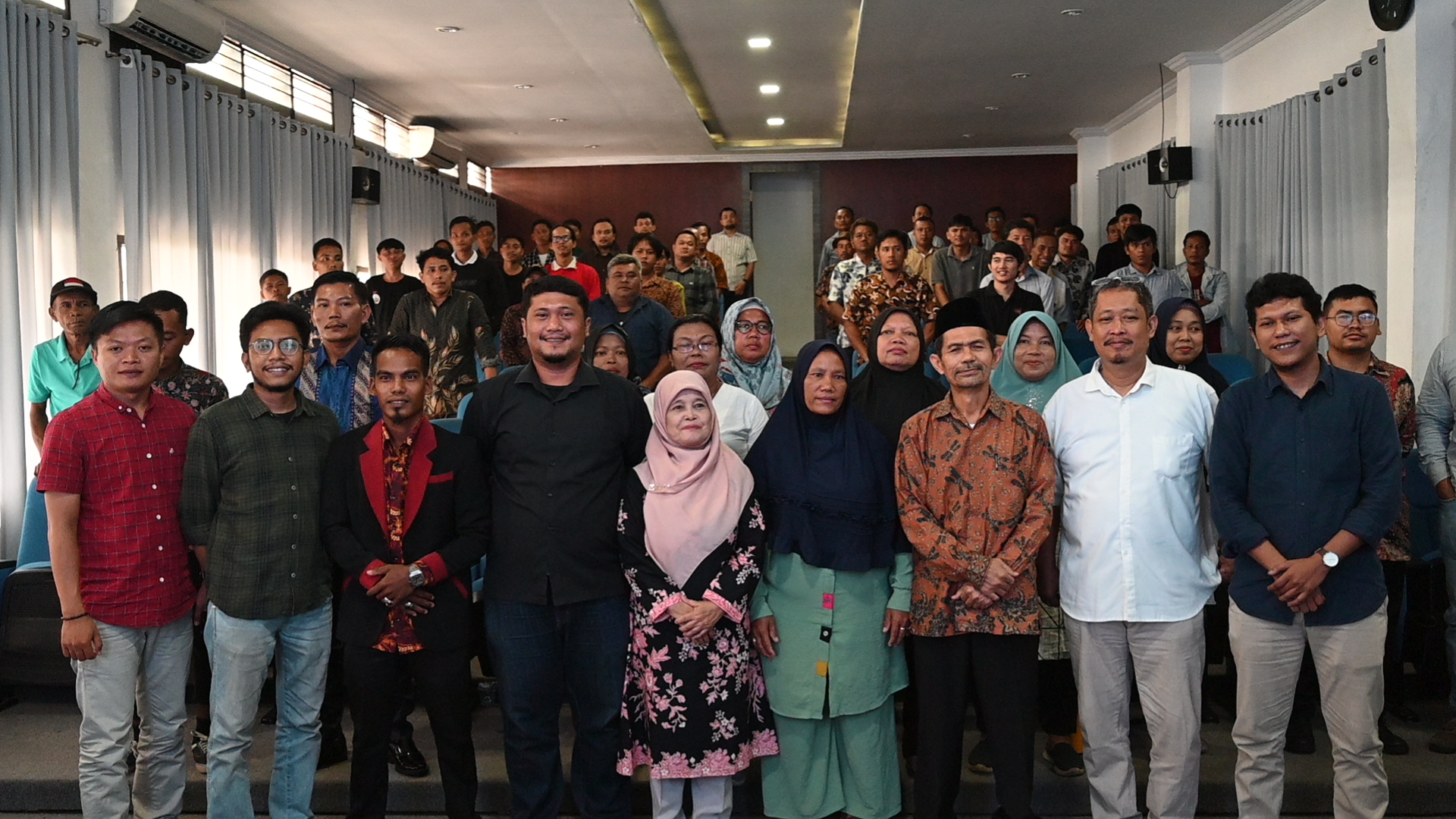
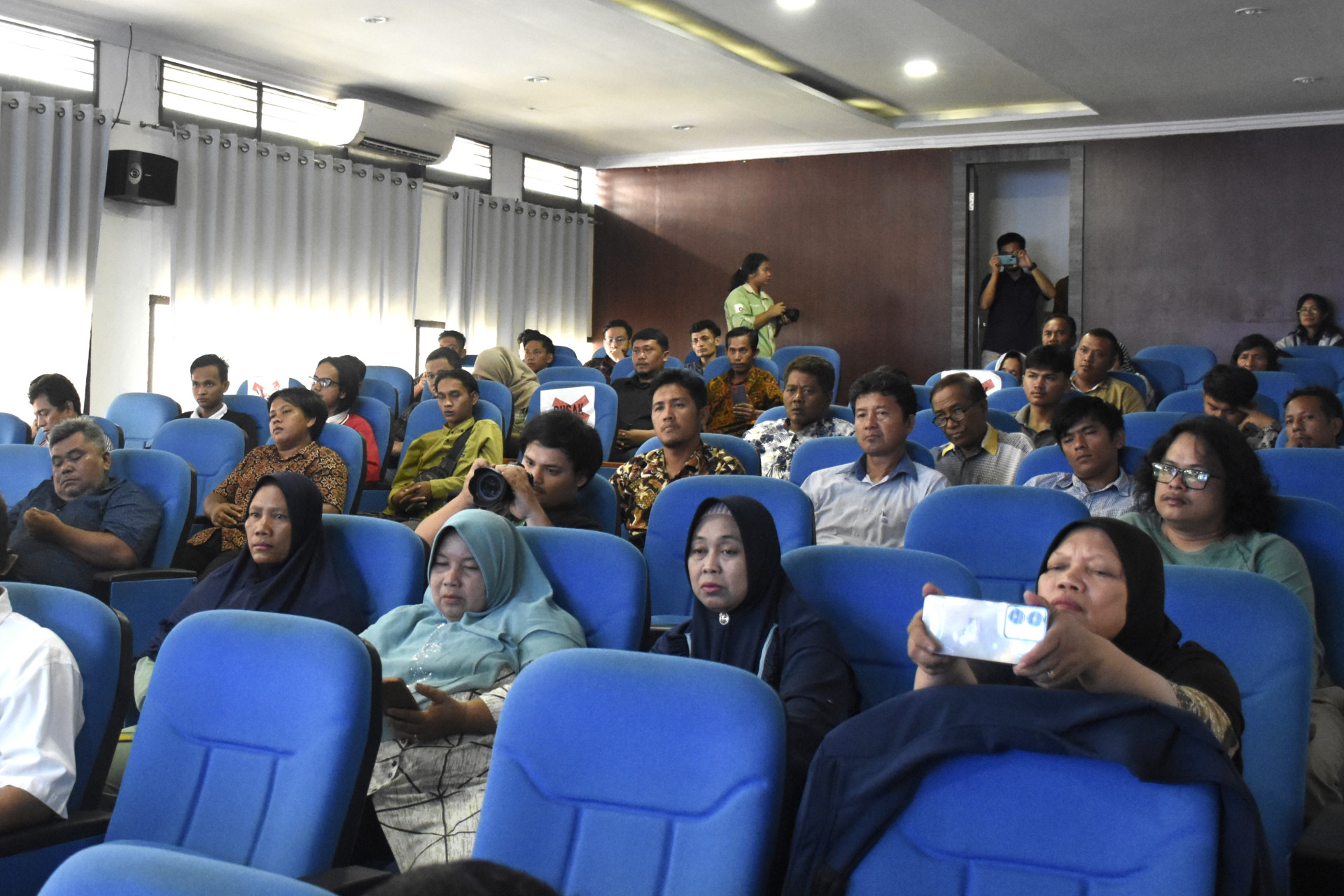
The Center for Agrarian Studies and Farmers' Human Rights (PUSKAHAP) at the Faculty of Social and Political Sciences, Universitas Sumatera Utara (FISIP USU), in collaboration with the Indonesian Peasant Union (SPI) and Sintesa Foundation, organized a seminar titled "21st Century Agrarian Reform: An Ongoing Struggle." The event occurred on Thursday, July 20, 2023, at the FISIP USU Theater Room.
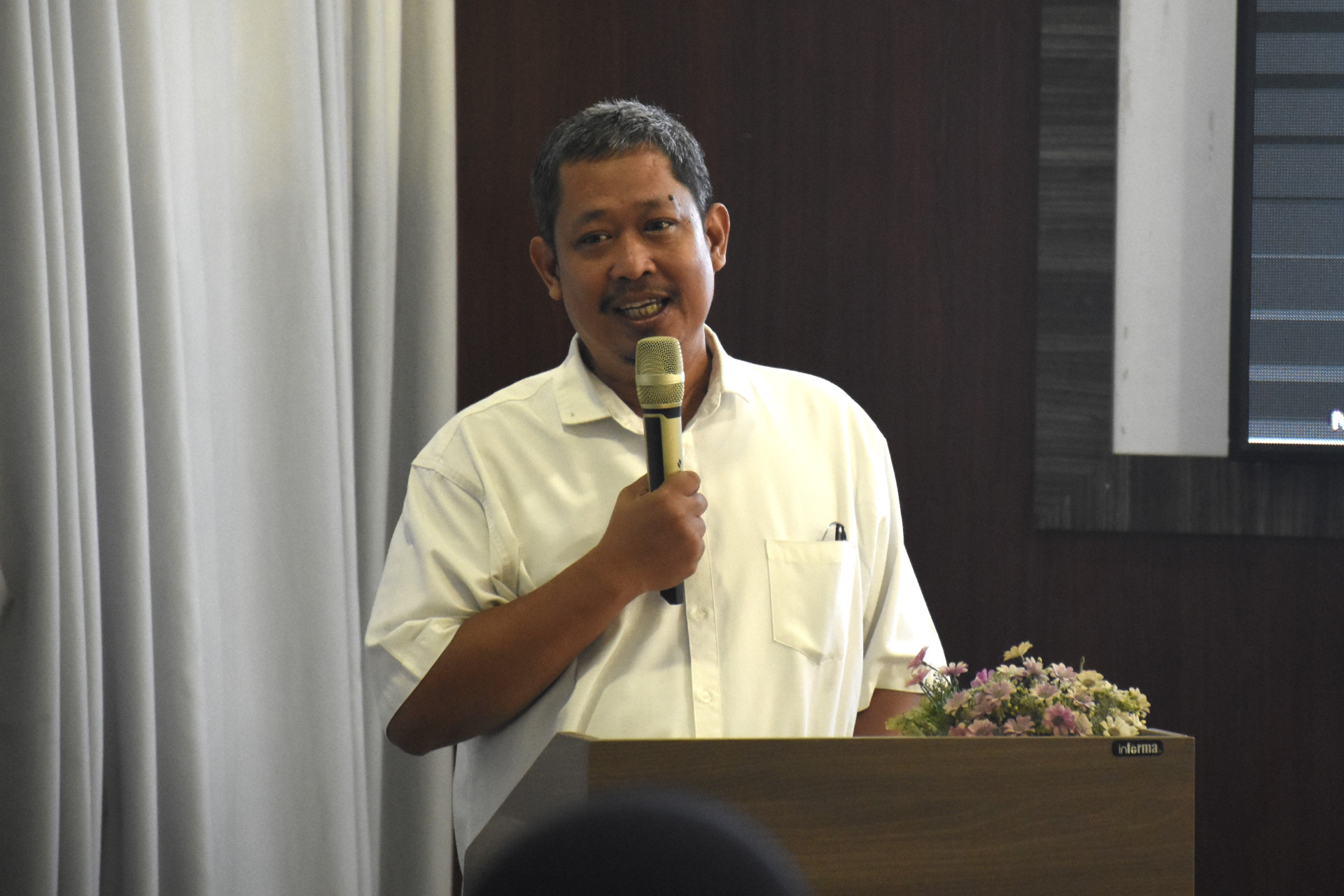
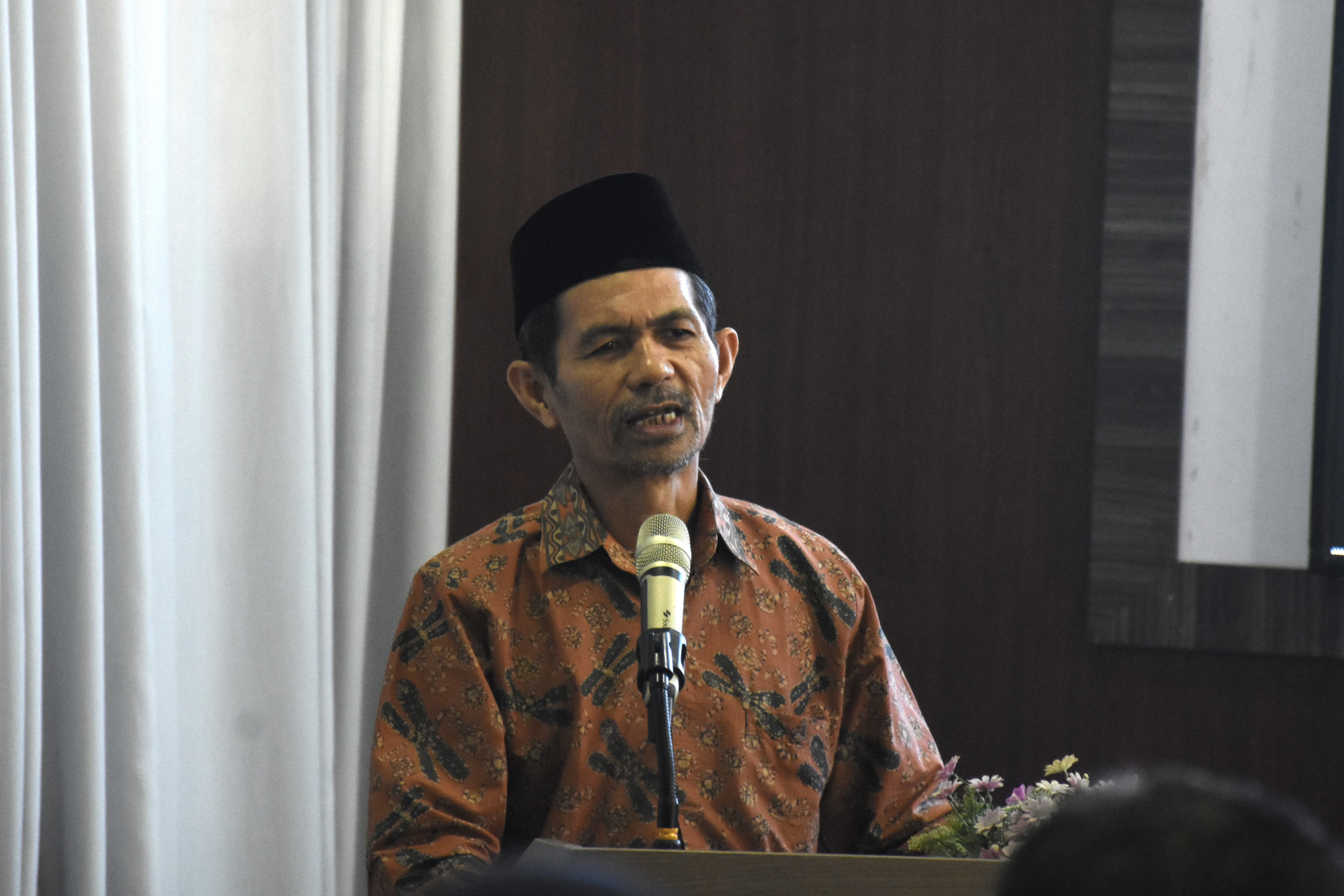
In his opening remarks, Husni Thamrin, Vice Dean 1 of FISIP USU, stated that FISIP USU is open to any activities related to critical issues in social and political sciences, including agrarian issues and Farmers' Human Rights.
"For farmer studies, FISIP USU has PUSKAHAP, which has been researching farmers and rural communities. PUSKAHAP FISIP USU even has a journal as a platform for publication and capturing all aspirations related to farmer studies. This proves that academia can synergize with the activism of social movements."
Husni Thamrin added that FISIP USU will also hold a summer course on agrarian issues. This initiative integrates academic learning with field studies and invites international speakers and guests.
"This summer course is also part of the effort to disseminate information and educate the academic community on agrarian-related issues. The hope is that in the future, cooperation with organizations and civil society movements will continue intensively. The campus can facilitate discussions or regular discussion series on various issues related to FISIP USU’s domain."
The seminar consisted of three sessions. The first session featured Henry Saragih, Chairman of SPI, and farmers from three provinces (North Sumatra, West Sumatra, and Jambi) as speakers.
In his presentation, Henry Saragih provided a historical overview of agrarian reform struggles and future challenges. He stated that agrarian reform has been a long-standing struggle for farmers but continues to face many obstacles, particularly in terms of policies.
"Land reclamation has long been carried out by SPI. Since 1998, farmers' agrarian reform struggles have aimed to reclaim their land rights and return them to their rightful owners. However, the challenge remains as corporations continue to expand their land control, often with government protection."
"For example, the 2007 Foreign Investment Law sought to extend corporate land use rights (HGU) for up to 95 years. We rejected and successfully challenged this in the Constitutional Court. However, corporate interventions remain strong, leading to the enactment of the 2020 Job Creation Law. In fact, land ownership regulations had already been established in the 1960 Basic Agrarian Law, which states that private land ownership should be limited, while land should be allocated to farmers."
During this session, farmers from North Sumatra, Jambi, and West Sumatra shared their experiences regarding agrarian conflicts and agrarian reform struggles. Their presentations highlighted that implementing agrarian reform policies is very slow, and farmers involved in agrarian conflicts continue to face intimidation and criminalization.
In the second session, Randa Putra Sinaga from PUSKAHAP FISIP USU and Saurlin P. Siagian, Commissioner of the National Commission on Human Rights (Komnas HAM) of Indonesia, delivered presentations.
Randa Sinaga emphasized that agrarian issues involve not just land ownership but social, economic, cultural, and political problems.
"Critically, agrarian movements should not only focus on land ownership but also consider how farmers' interests align with the broader goal of food sovereignty. Therefore, the struggle for land ownership must be accompanied by actions that drive social, economic, cultural, and political change, ensuring that agrarian reform becomes truly inclusive and effective. This means that agrarian movements must also work towards strengthening mass organizations, building cooperative economic institutions, and implementing agroecological farming."
Meanwhile, Saurlin P. Siagian stated that agrarian issues are currently a key focus of Komnas HAM, as agrarian-related cases are frequently reported by communities in Indonesia.
"Komnas HAM has been working to address complaints and push for policy improvements. In agrarian matters, Komnas HAM has advocated for developing human rights standards and regulations related to land and natural resources. Previously, Komnas HAM also conducted a National Inquiry on Indigenous Peoples' Rights to Forest Areas."
The seminar concluded with presentations from international speakers, including:
Shalmali Guttal (Focus on the Global South, Thailand), who discussed agrarian reform and food sovereignty movements in Asia.
Prof. Saturnino M. Borras (International Social Studies, Erasmus University, Netherlands), who analyzed the global phenomenon of land grabbing.
Nelson Mudzingwa (Zimbabwe Smallholder Organic Farmers Forum, ZIMSOFF), who shared his experiences in agrarian struggles in Zimbabwe.
The event was also attended by: ✅ Dr. Hatta Ridho, Dean of FISIP USU ✅ Zubaidah, Chairman of SPI North Sumatra ✅ Andry Anshari, Director of Sintesa Foundation
This seminar reinforced the ongoing fight for genuine agrarian reform and the importance of strengthening academic, civil society, and global collaboration to achieve social justice for farmers.