


.webp)
Universitas Sumatera Utara (USU) continues to demonstrate its dedication to global issues through international-scale community service initiatives. One of its latest focuses is advocating for the well-being of Indonesian Female Migrant Workers (PMPI) in Hong Kong. A community service team from Universitas Sumatera Utara carried out a program titled “Resilient PMPI: Building the Resilience and Well-Being of Indonesian Female Migrant Workers through Strengthening Psychological, Gender, and Social Capacity” in Hong Kong from June 15 to 17, 2025. This activity was a collaboration between USU and international partner the Association of Indonesian Migrant Workers in Hong Kong (ATKI-HK), as well as the Faculty of Social and Political Sciences at Universitas Jenderal Soedirman.
The USU implementation team consisted of Dr. Harmona Daulay (gender sociology expert), Dr. Meutia Nauly (psychologist), Dr. Detania Sukarja (economic law), and Fredick Broven Ekayanta (political science). Joining from Universitas Jenderal Soedirman (UNSOED) was Dr. Tyas Retno Wulan, S.Sos., M.Si. This interdisciplinary collaboration offered a rich and comprehensive perspective in understanding the dynamics and challenges faced by female migrant workers. By combining sociological, psychological, legal, and political approaches, the team was able to formulate more holistic solutions based on real needs in the field.
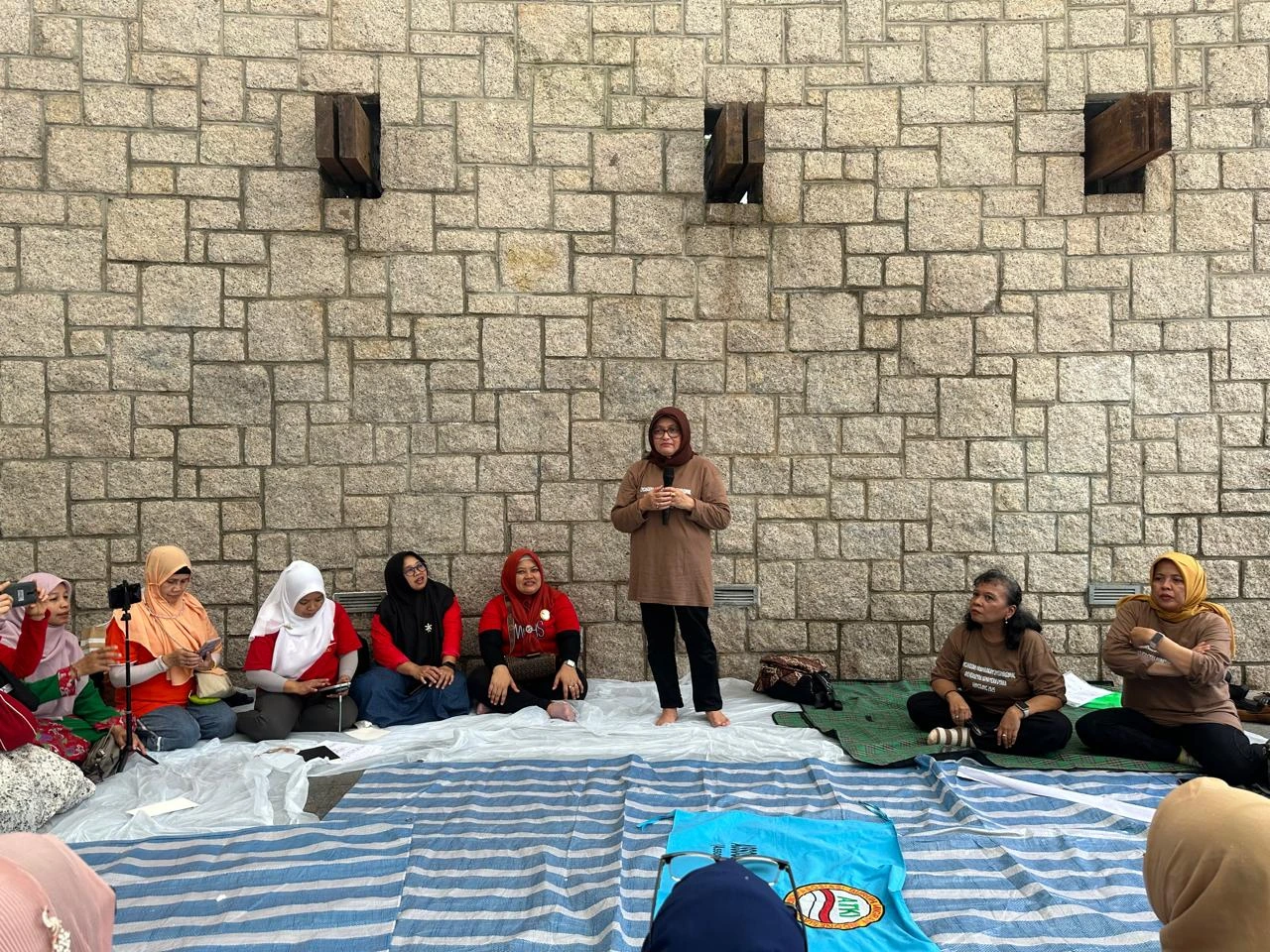
The program stemmed from the reality that many Indonesian female migrant workers in Hong Kong face significant challenges, including intense work pressure, limited access to mental health services, discrimination, and a lack of legal understanding. These conditions worsened during the COVID-19 pandemic, as many felt increasingly isolated and burdened with greater responsibilities. “Many of them do not receive adequate work-related facilities, such as having their own room. Sometimes they sleep in the kitchen. Other cases include out-of-wedlock pregnancies and harassment from employers,” explained Harmona Daulay.
Using an educational and participatory approach, this community service initiative aimed to support PMPI in becoming mentally and socially resilient. Participants were also encouraged to understand their rights as migrant workers, build gender awareness, and strengthen community solidarity among fellow migrant workers. “The hope is for female migrant workers to gain gender awareness, understand social remittances, and know that when problems arise, they should seek legal recourse.”
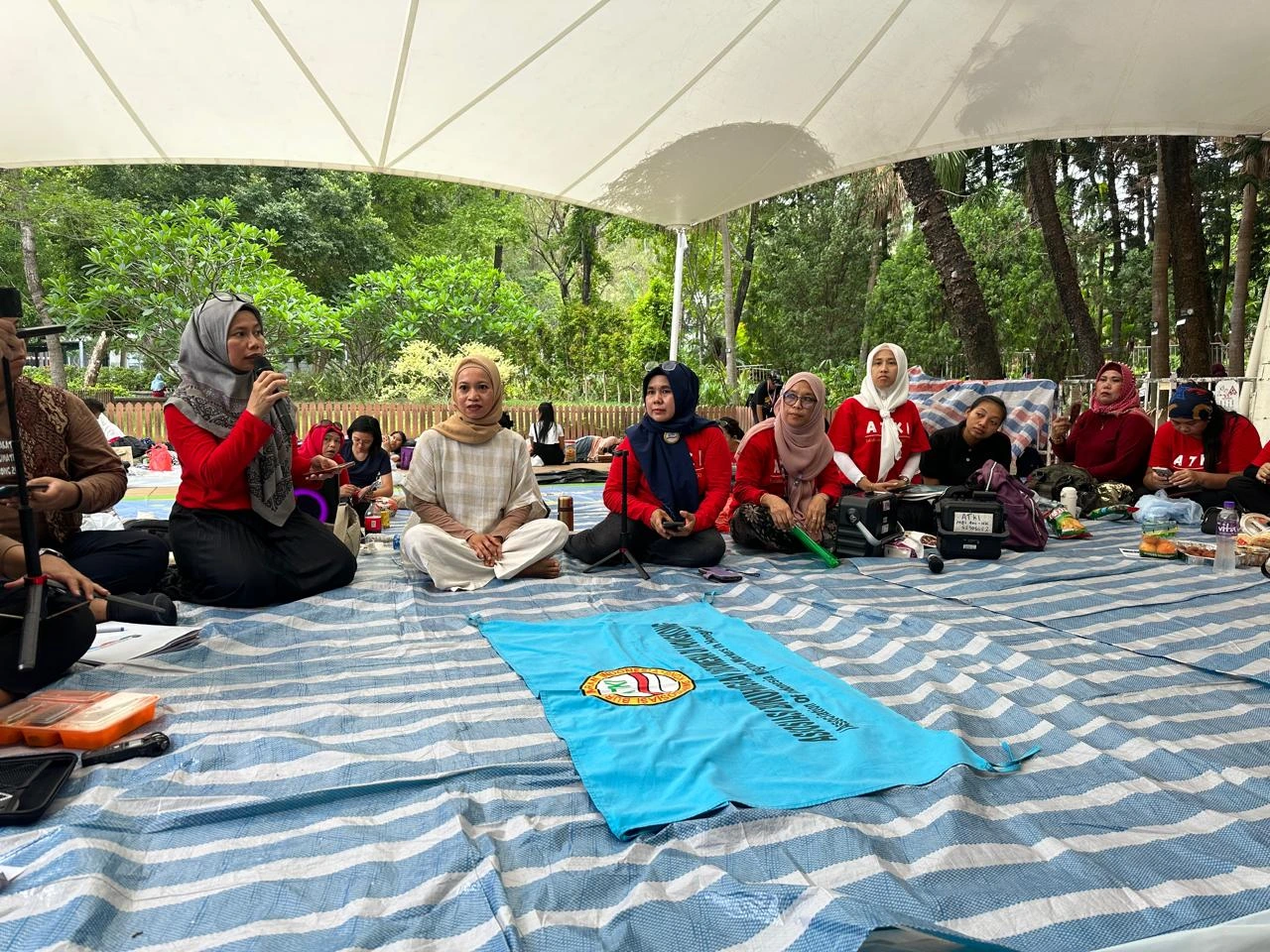
The program successfully created a safe and empowering learning space while strengthening the social network among participants. Moving forward, the results of this activity will be developed into learning media, documentary videos, and academic publications to broaden its impact. This program is also part of USU’s internationalization efforts and supports the achievement of the Sustainable Development Goals (SDGs), particularly in the areas of gender equality, migrant worker protection, and the improvement of social well-being.
Through this initiative, USU is not only acting as an academic institution but also as a partner committed to humanity and social justice—working to build fairness and empowerment for vulnerable groups at the international level. For the PMPI, the presence of this Indonesian team was more than just an event; it was a tangible form of support and recognition of their struggles.
Writer: Tabitha R. Simbolon