


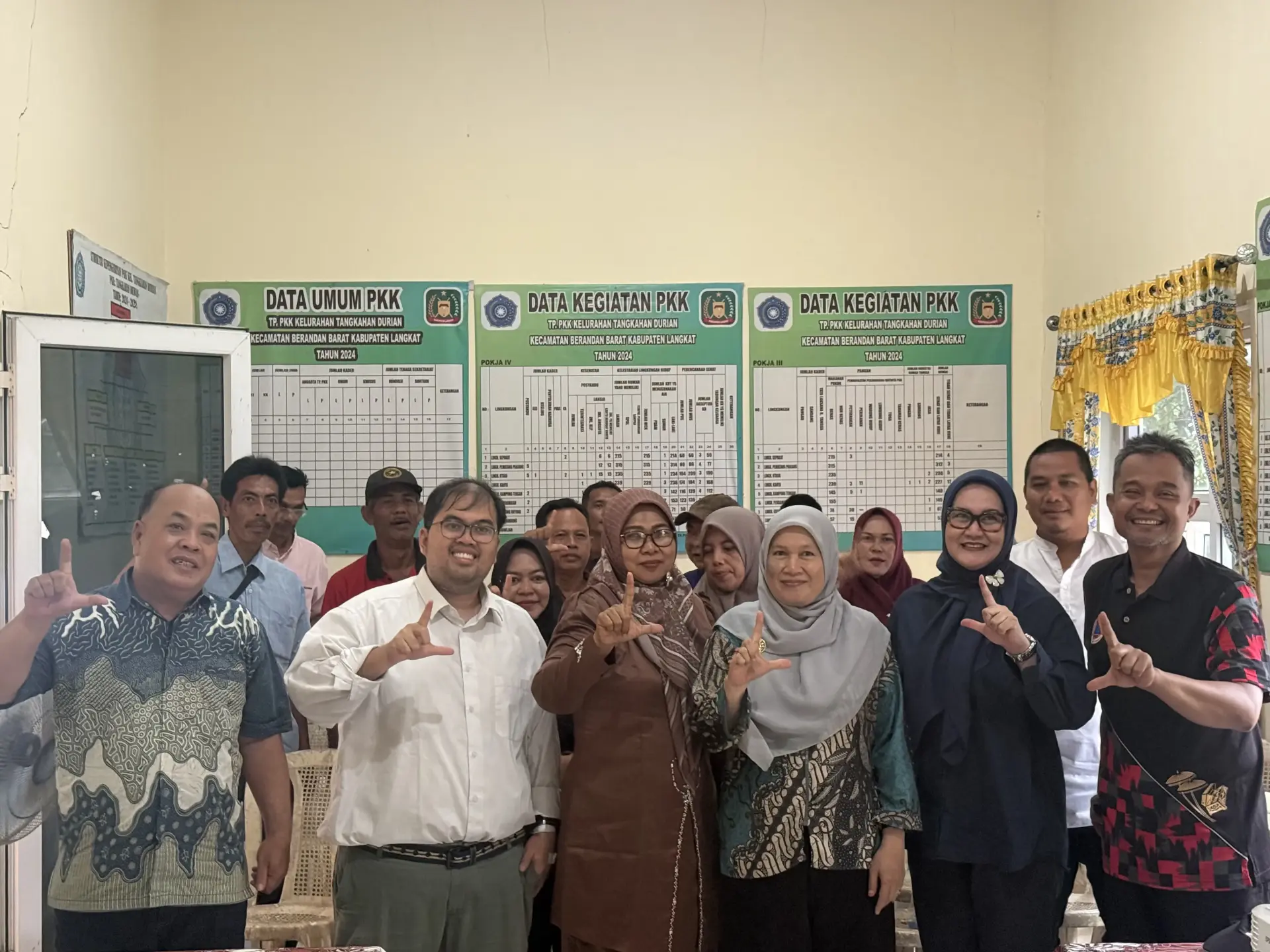
Universitas Sumatera Utara (USU), through the Faculty of Social and Political Sciences (FISIP), continues to demonstrate its commitment to strengthening community resilience to disasters through community-based programs. Through the Early Warning Response Action Implementation (Implementasi Aksi Merespon Peringatan Dini/AMPD) program, FISIP USU empowers youth as pioneers of disaster preparedness by promoting cross-sector collaboration, education, and the use of local wisdom.
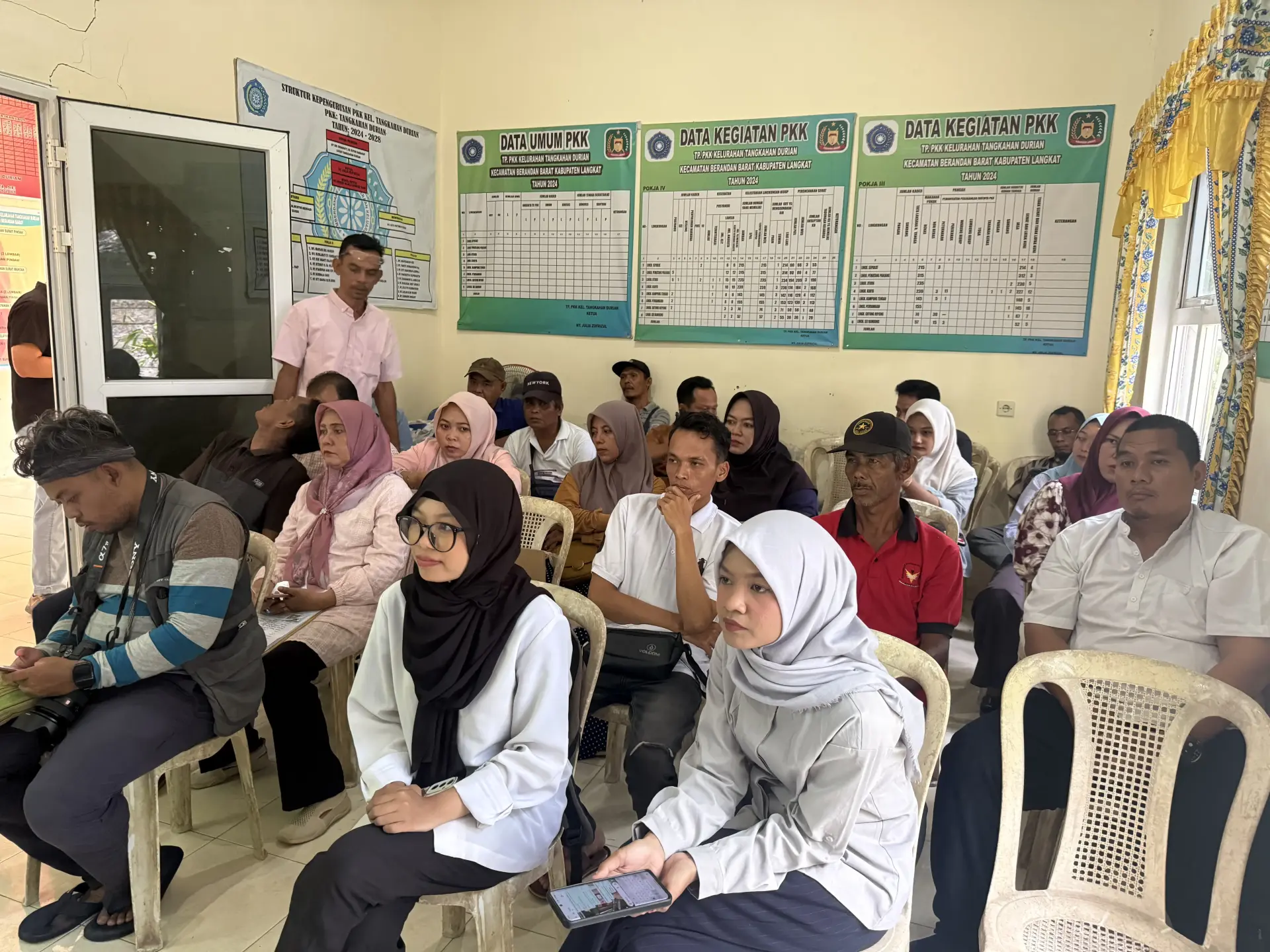
Held from July 10–11, 2026, in Tangkahan Durian Urban Village, Langkat Regency, North Sumatra, the program was a collaboration between FISIP USU and the Fajar Sejahtera Indonesia Foundation (YAFSI). The activity involved the Langkat Regional Disaster Management Agency (BPBD), local government, community leaders, volunteers, and youth groups as part of efforts to strengthen community-based disaster preparedness.
The FISIP USU Community Service Team, led by Dr. Agus Suriadi, S.Sos., M.Si., together with Franklin Asido Rossevelt, S.AP., M.K.P., and Dr. Windha, S.H., M.Hum., equipped participants with knowledge of disaster risk reduction, early warning systems, emergency communication, evacuation procedures, and disaster response simulations. The training was also complemented by the development of a vulnerability map and evacuation routes as practical measures to strengthen the community's capacity to respond to potential disasters.
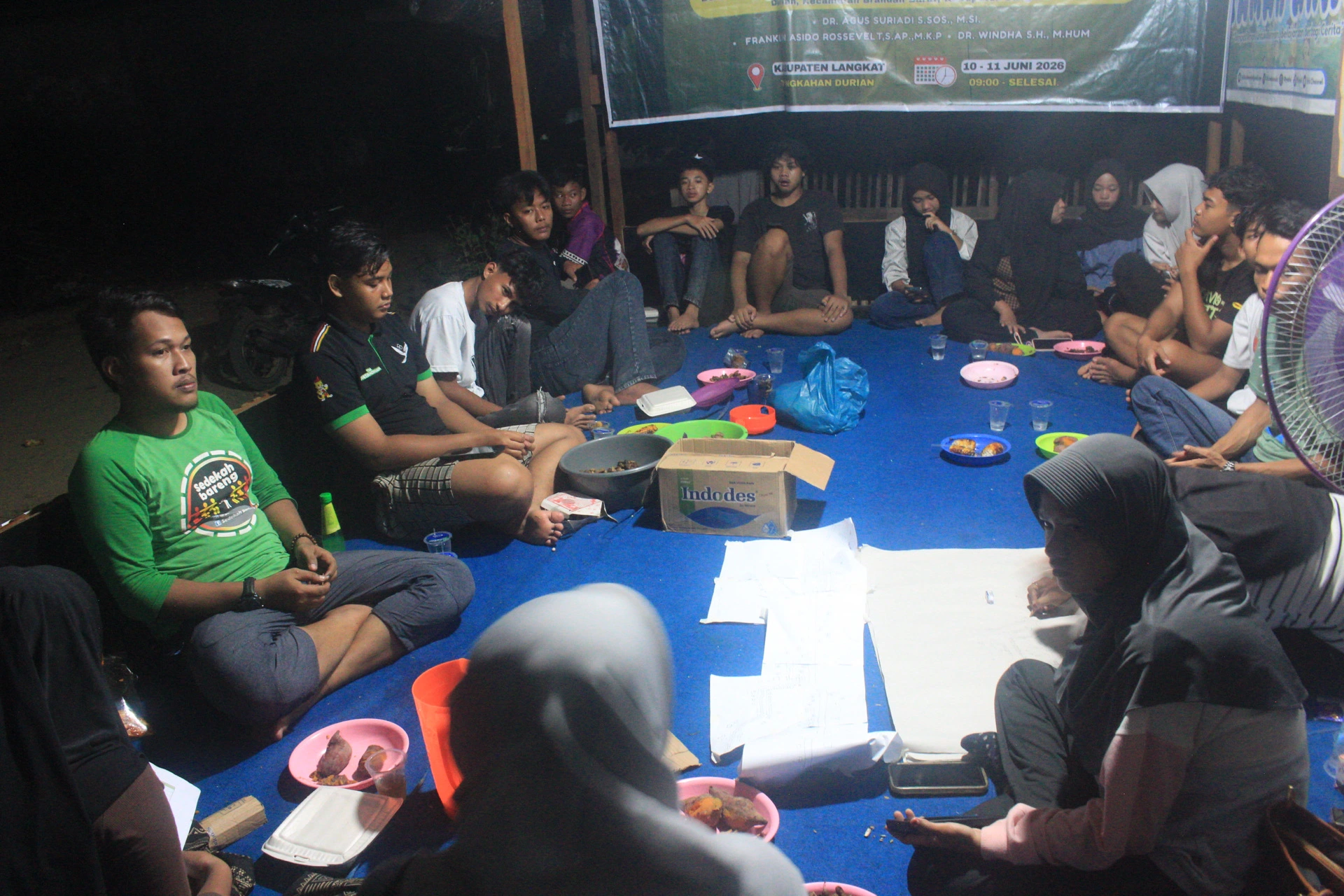
One of the program's distinctive approaches was the use of traditional bamboo slit drums (kentongan) as a local wisdom-based early warning medium. In areas that may experience power outages or disruptions to communication networks during disasters, kentongan provides a simple, accessible, and effective means of delivering warnings to the community. This approach demonstrates how local knowledge can complement modern preparedness systems and support faster disaster response.
Beyond strengthening technical capabilities, the program also encouraged the development of youth leadership in fostering a culture of preparedness within their communities. Through a participatory approach, participants were encouraged to become information communicators, community action leaders, and partners in strengthening disaster resilience.
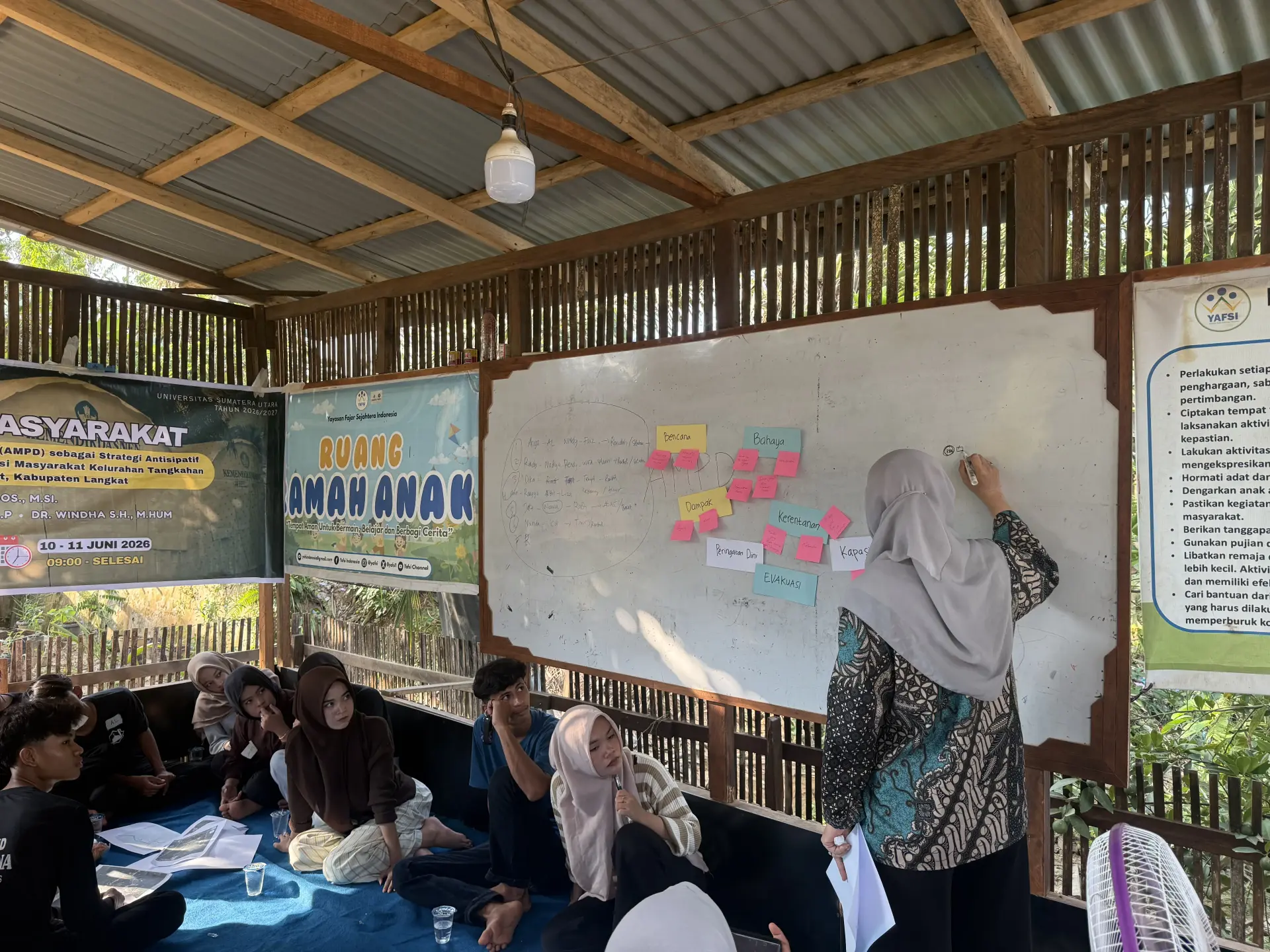
Collaboration among higher education institutions, civil society organizations, local government, and communities was an essential component of the program. This synergy reflects the role of universities in applying academic knowledge to address real-world challenges through solutions that are relevant to local conditions.
The program was part of a Community Service initiative supported by the Institute for Community Service of Universitas Sumatera Utara. Through this initiative, USU contributes to the achievement of the Sustainable Development Goals (SDGs), particularly SDG 11 (Sustainable Cities and Communities) and SDG 13 (Climate Action). The AMPD program demonstrates how higher education institutions can contribute to building community resilience through partnerships, youth leadership, and the integration of local wisdom.
Penulis: Tabitha R. Simbolon