


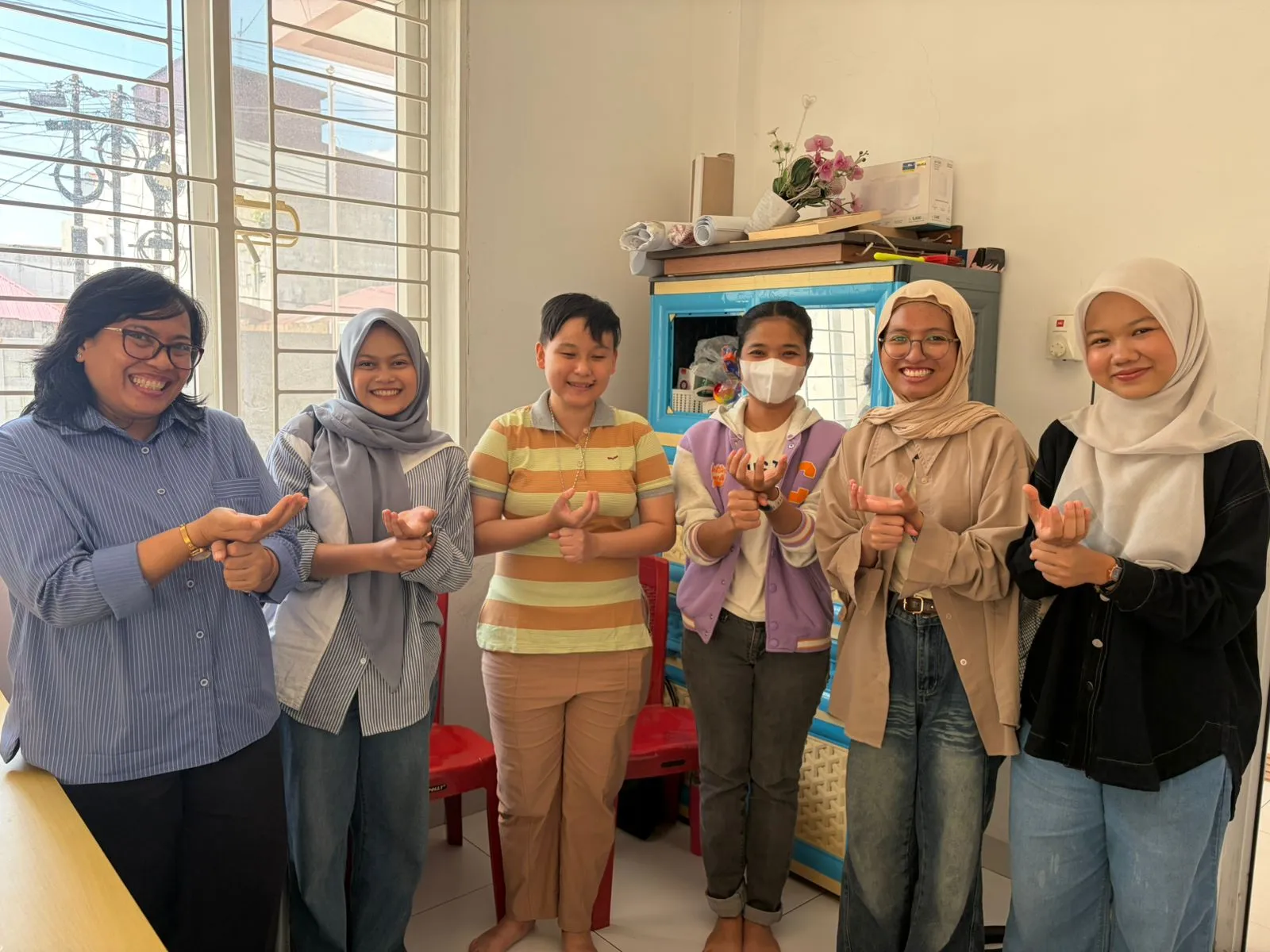
For many residents of Medan, navigating angkot routes and destinations remains a challenge. This issue inspired the development of TransGO Medan through the Medan Angkot Mapping Project. With contributions from Universitas Sumatera Utara (USU), the project aims to create urban mobility that is more informative, inclusive, and sustainable.
The project was carried out from January to July 2026 through the Future Leaders in Sustainable Transport (FIRST) program. Five students from different universities, including a student from the Architecture Study Program at USU, conducted the project under the supervision of the Head of the Communication Science Study Program, Faculty of Social and Political Sciences (FISIP) USU, Dr. Yovita Sabarina Sitepu, S.Sos., M.Si. The FIRST program was initiated by World Resources Institute (WRI) Indonesia and the Institute for Natural Resources, Energy and Environmental Management (IREEM), with support from UK PACT.
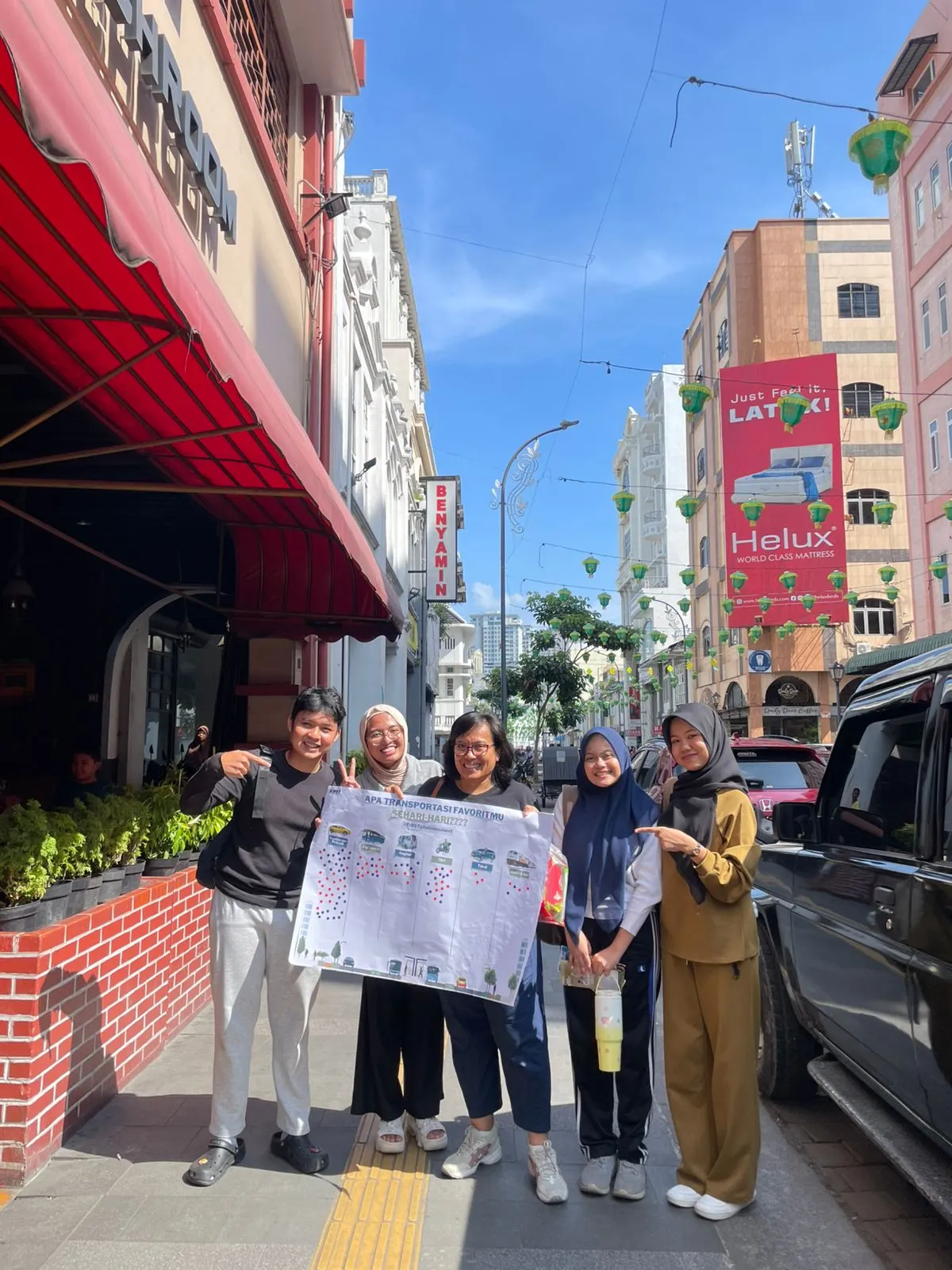
The TransGO Medan team conducted field research, mapped angkot routes, developed travel visualizations, and implemented digital campaigns. These activities aimed to help residents identify routes and destinations more easily, making public transportation a more practical, safe, and accessible mobility option. Clear route information is also expected to reduce uncertainty among residents when using angkot for their daily activities.
This initiative aligns with USU’s priority research area of Energy Resilience and its Energy (Sustainable) innovation focus. Increased use of public transportation can improve energy efficiency, reduce dependence on private vehicles, and lower fuel consumption for urban mobility. Through this approach, TransGO Medan represents a sustainable innovation that directly responds to the needs of the community.
Through its spirit of “Connect the Roads, Make Every Step Easier,” TransGO Medan demonstrates that energy resilience can be strengthened through research, public education, and changes in community behavior. USU’s involvement reaffirms its commitment to developing sustainable innovations that provide tangible benefits for society and the development of Medan. The collaboration among academics, students, and program partners also highlights the importance of collective efforts in building a more efficient and sustainable urban mobility system.