


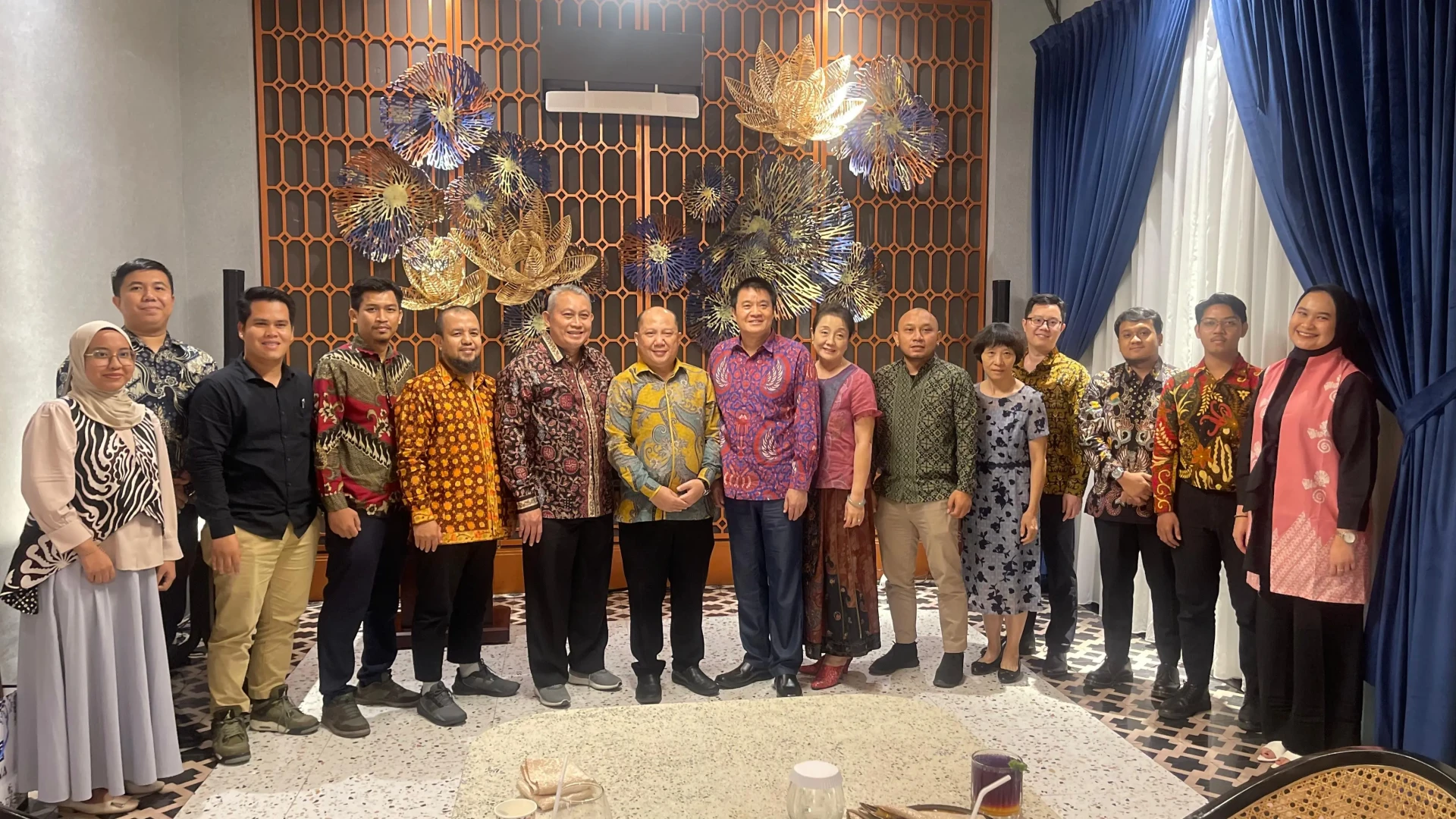
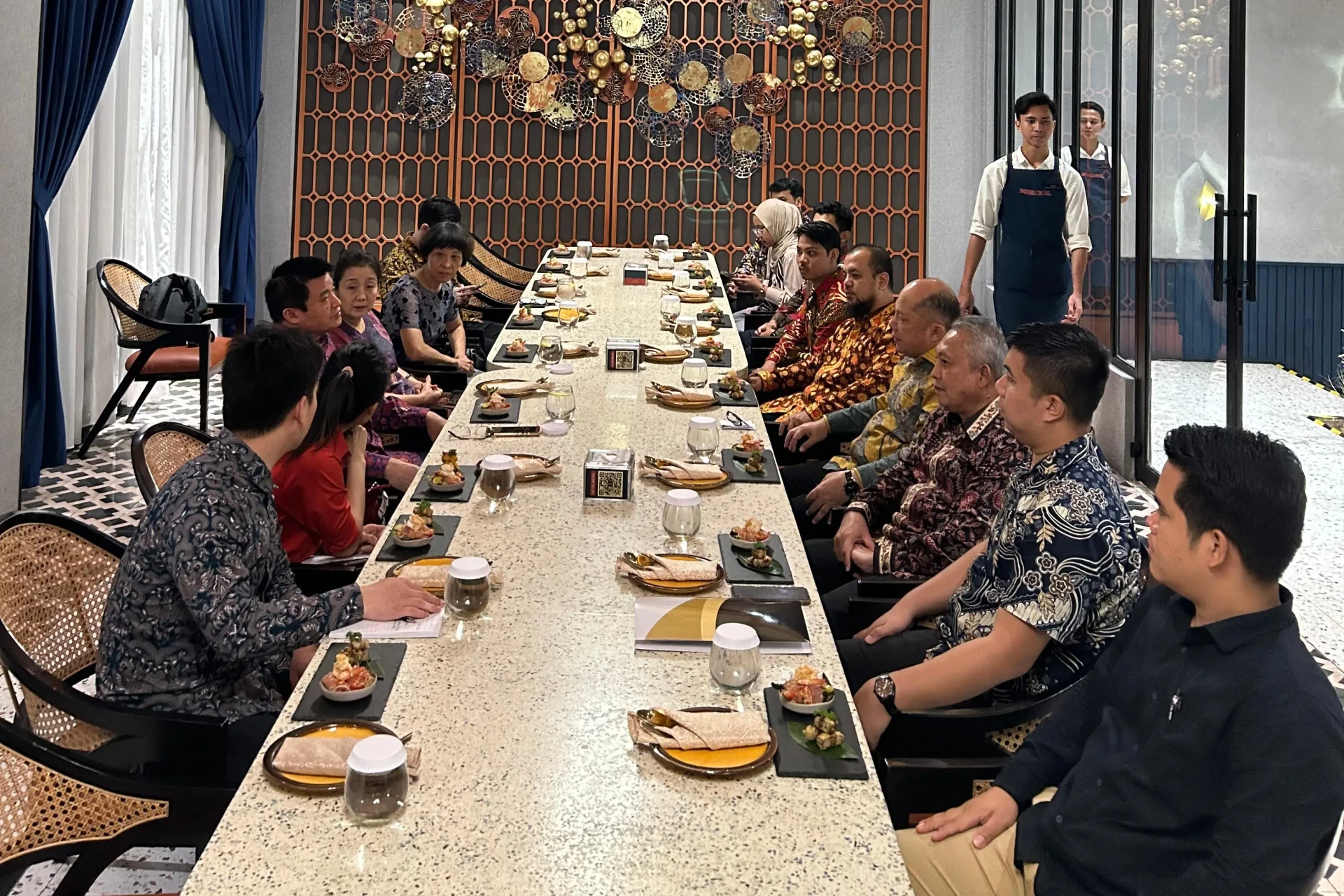
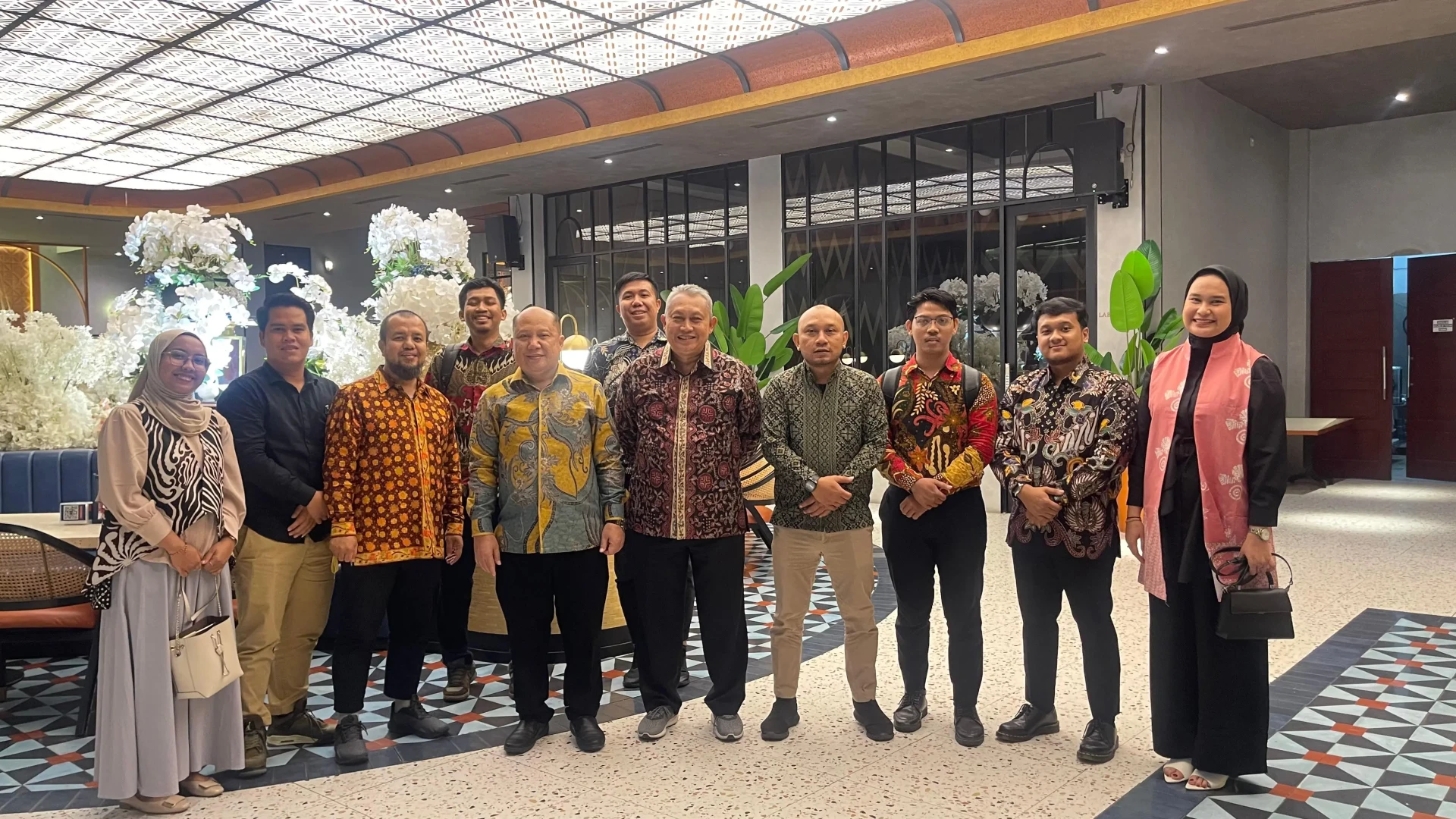
Medan, July 4, 2024, The Chinese Consulate General of Medan discussed with the Dean of FISIP and lecturers from the Political Science Study Program at Interlocal, Jalan Teuku Cik Ditiro. This meeting was warmly held, starting with dinner, then discussion, and listening to speeches from both parties.
The Consulate General of China in Medan, Zhang Min, in his remarks, revealed that the People's Republic of China wishes to reintroduce the five principles of living in peace or what is known as Panscheel as the principle of relations between countries that need to be applied. The five principles are mutual respect for sovereignty and territorial integrity, non-aggression, non-interference in each other's internal affairs, equality and cooperation for mutual benefit, and peaceful coexistence. Zhang Min said that this principle is important considering the world's uncertainty and conflicts, from the Ukraine-Russia conflict to the Genocide in Palestine by Israel.
Furthermore, Zhang Min said that next year is the 70th anniversary of the Bandung Conference, which can be a momentum to reaffirm the spirit of a more just and safe world for all. “The Bandung Conference is a milestone in the birth of the third world,” said Zhang Min. He also recounted the work of the former Prime Minister of the People's Republic of China, Zhou Enlai, as a figure who had the same spirit as the world in third countries, namely to have a world without colonialism.
In line with that, the Dean of FISIP, Hatta Ridho, in his speech, said that Indonesia has the principle of free and active foreign relations, which is still relevant today. Being free means that Indonesia is free to establish relations with every country, and being active means that Indonesia is always interested in participating in realizing world order. Ridho also welcomed the need to build the Senasib Sepenanggungan Community, which Zhang proposed as a community for countries that yearn for peace. The discussion lasted more than two hours and covered various topics, ranging from the education system in each country to recent contemporary world issues.