


Scientific publication for postgraduate students (S2/S3) is no longer merely an academic complement, but has transformed into a key pillar in fulfilling graduation requirements as well as an important instrument for gaining international recognition (global impact). In the contemporary academic landscape, the ability to prepare high-quality scientific manuscripts is crucial to ensuring the successful dissemination of research and avoiding early rejection or desk rejection by the editorial boards of top publishers' journals.
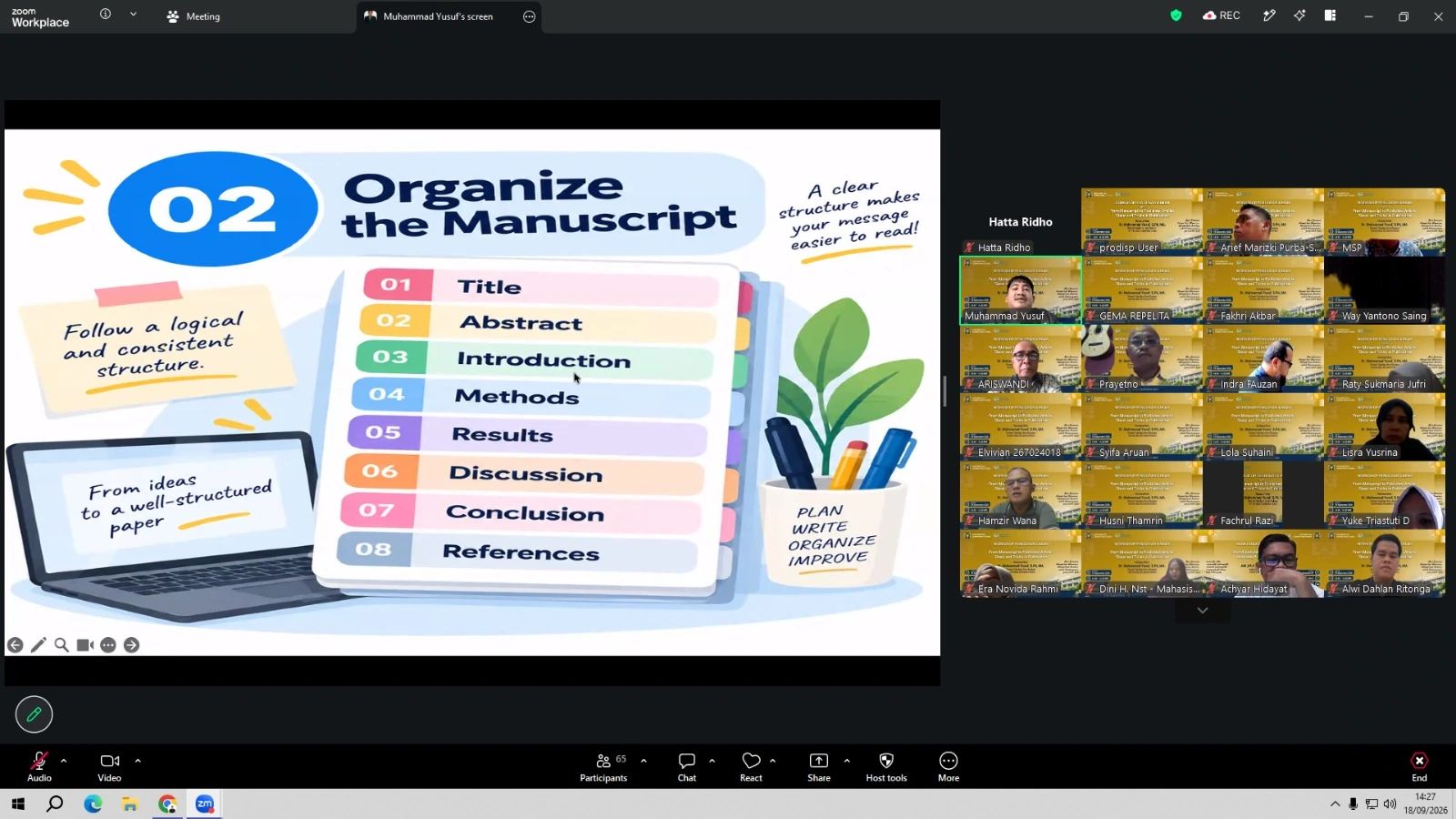
However, in reality, there is a wide gap between thesis or dissertation writing as a comprehensive academic work at the university level and scientific journal article writing, which is focused on specific research questions and subject to strict word limits. Many novice researchers experience failure due to a lack of understanding of the logical and consistent structure (IMRAD: Introduction, Methods, Results, and Discussion), the manuscript management process on platforms such as Open Journal Systems (OJS) or Editorial Manager, as well as failure to utilize essential digital tools such as accurate reference managers (Zotero, Mendeley) and internationally recognized grammar-checking applications (Grammarly).
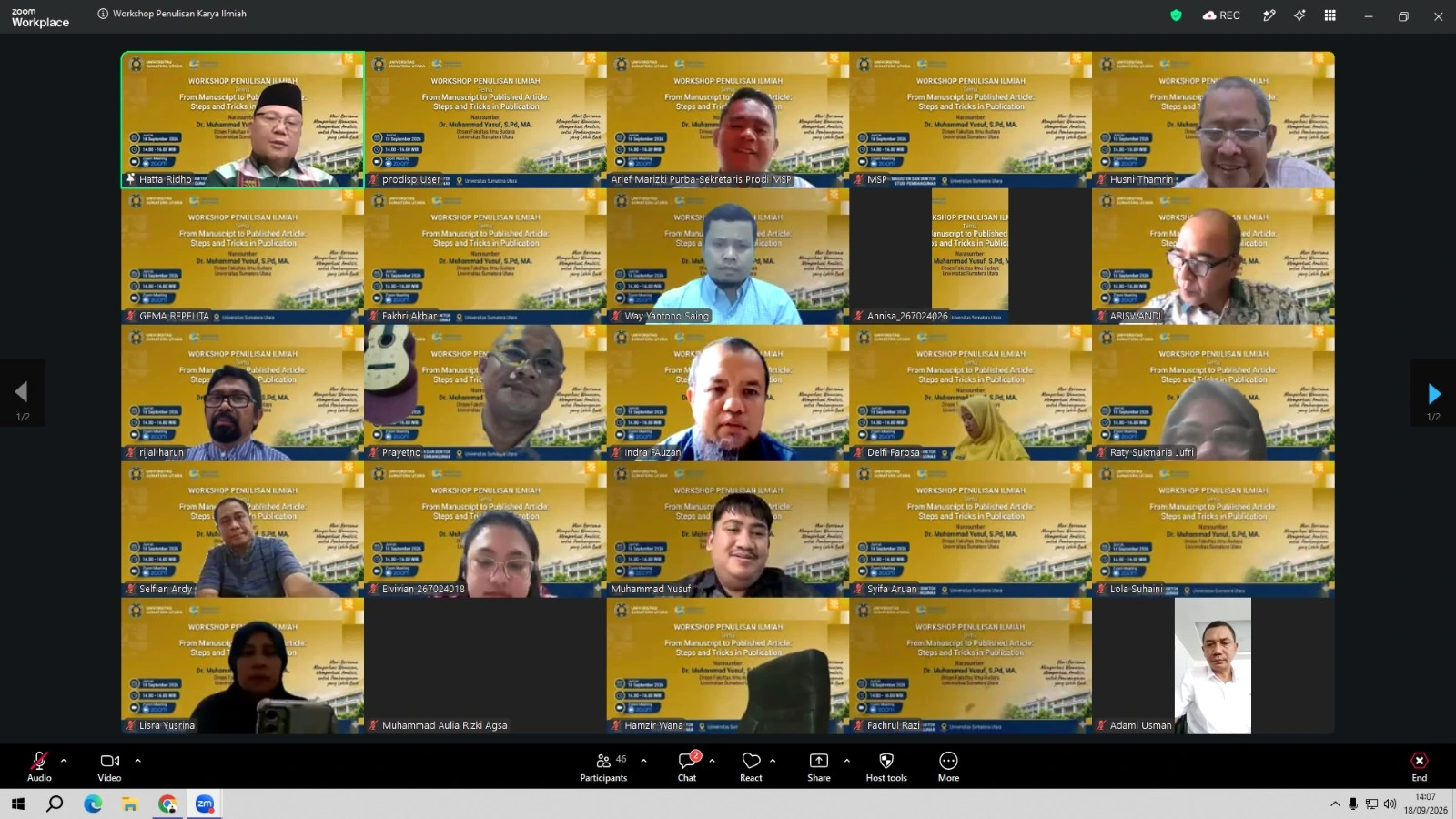
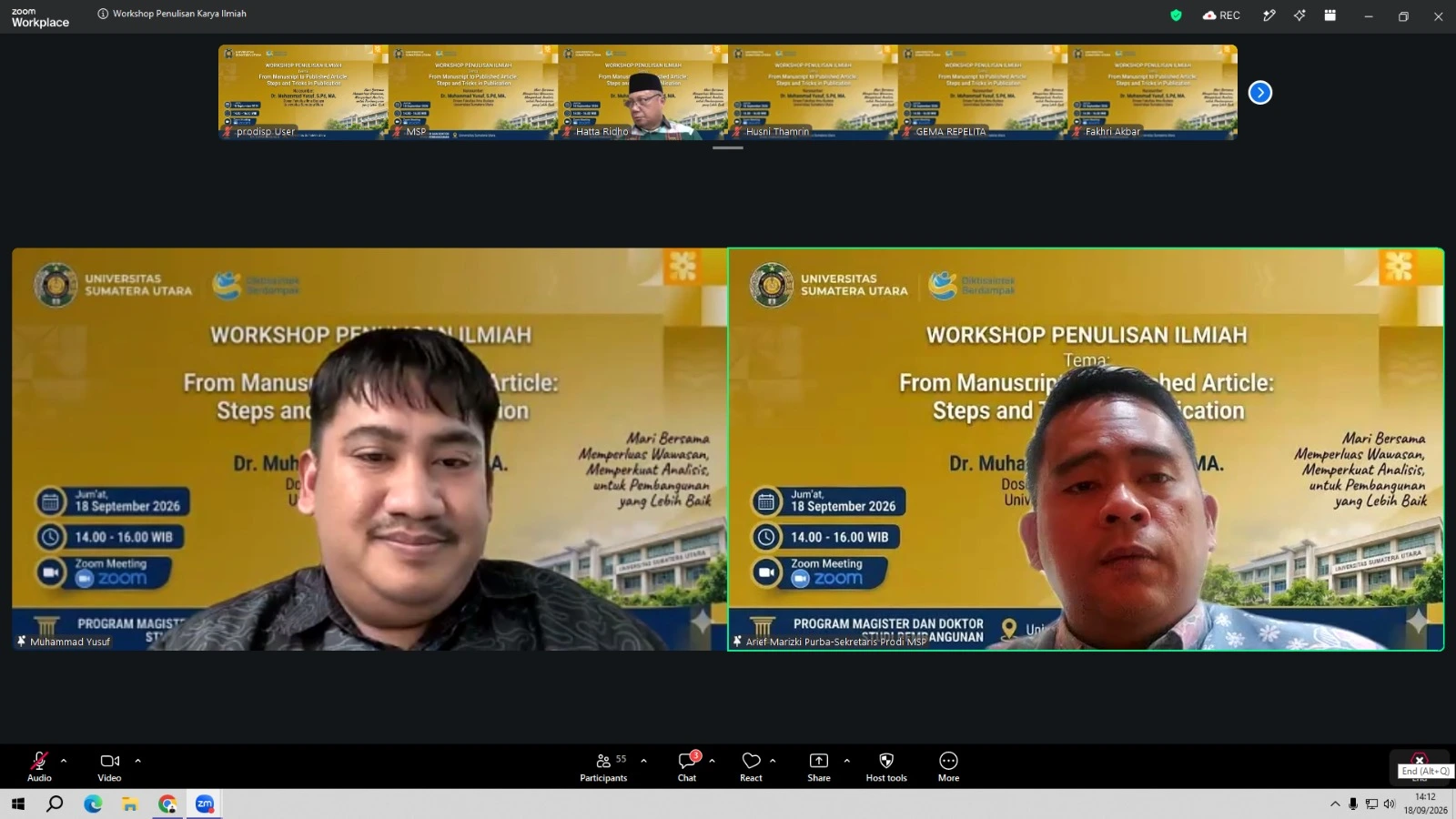
In response to these real challenges, the Master's and Doctoral Programs in Development Studies, Universitas Sumatera Utara, organized a Scientific Writing Workshop entitled “From Manuscript to Published Article: Steps and Tricks in Publication”. The urgency of this activity was driven by the university's commitment to equipping the academic community with practical strategies for publishing in highly reputable international journals, optimizing the review process (handling reviewers' comments), and directly increasing the achievement of Universitas Sumatera Utara's Priority Performance Indicators (IKP) targets in the field of global scientific publication output.