


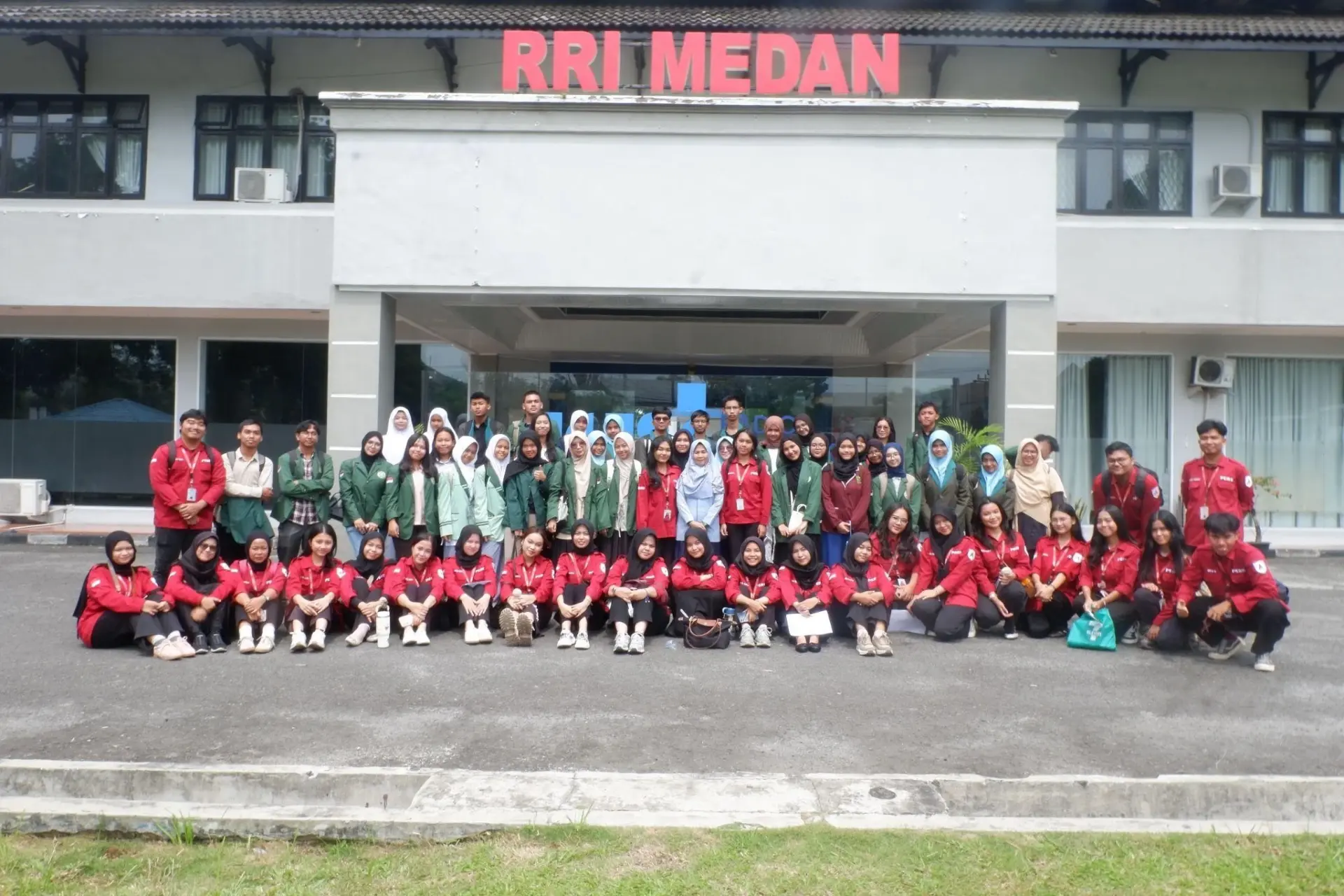
The Pijar Student Press of Universitas Sumatera Utara (USU) once again organized the Basic Journalism Training (Pelatihan Jurnalistik Tingkat Dasar/PJTD) 2026 as part of its commitment to strengthening media literacy and journalism competencies. This program serves as one of the organization’s key annual agendas, consistently aimed at enhancing writing skills and foundational understanding of journalism.
As a student press institution under the Laboratory of the Department of Communication Science, Faculty of Social and Political Sciences (FISIP) USU, Pijar continues to play an active role in creating a learning space that integrates both theoretical and practical aspects. PJTD 2026 is designed to provide participants with fundamental knowledge of journalistic principles while equipping them with relevant skills amid the rapidly evolving digital information landscape.
Carrying the theme “Speed vs Accuracy: Shaping Reliable Writers in the Digital Era,” the training highlights a major challenge in modern journalism. In an age where information spreads rapidly, the ability to work quickly must be balanced with data accuracy, factual integrity, and ethical responsibility.
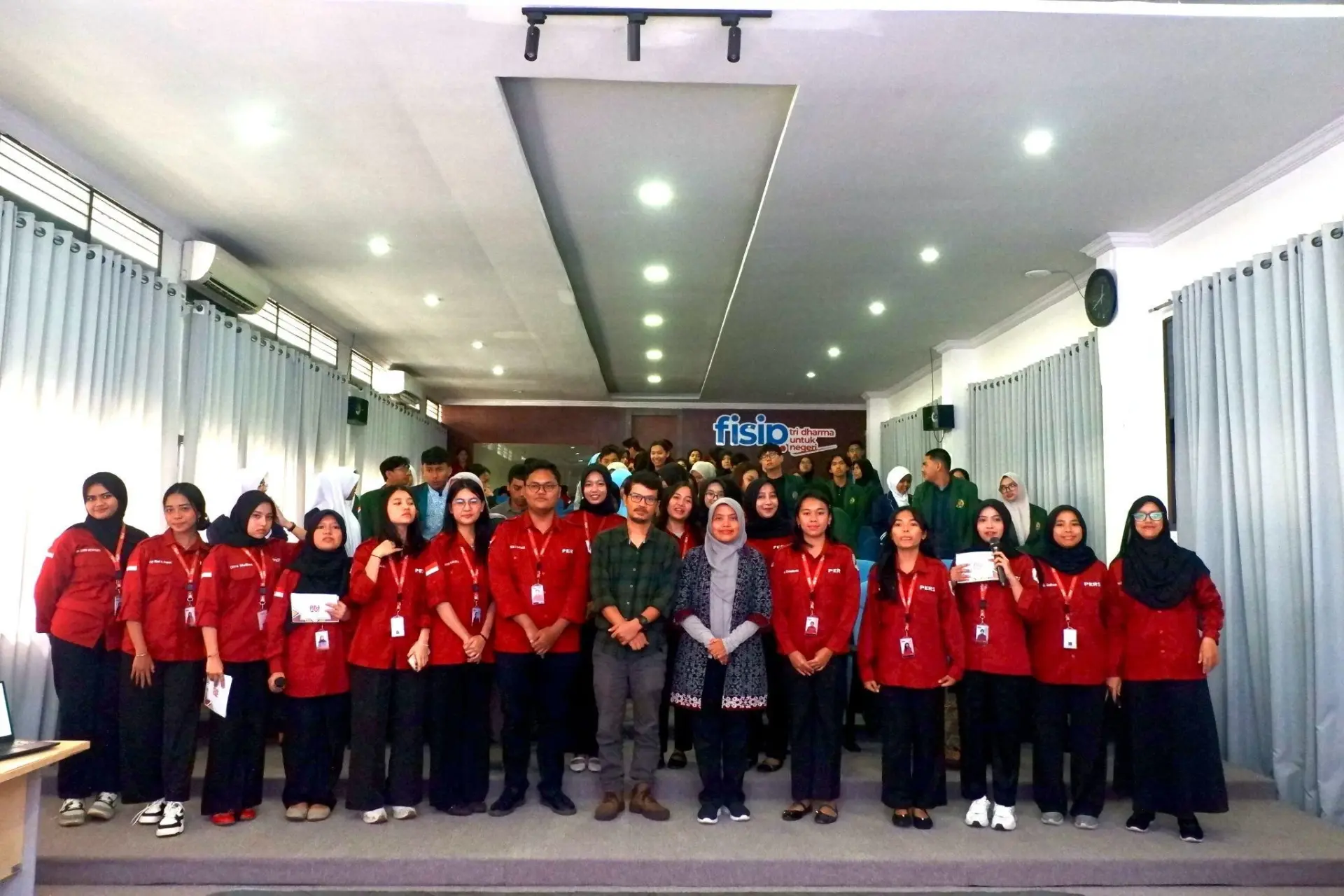
Grace Estephania, Chairperson of the PJTD 2026 Committee, explained that this activity is one of Pijar’s flagship programs, held annually. “PJTD aims to develop writing skills among aspiring young journalists. Therefore, participants are not only university students but also members of the public and high school students who have an interest in journalism,” she stated.
The training covered a range of topics, including the fundamentals of journalism, news writing techniques, verification principles, and journalistic ethics. In addition to theoretical sessions, participants were also given the opportunity to engage in practical activities, including direct field reporting experience.
Grace Estephania further expressed her expectations regarding the impact of the program. “Through PJTD 2026, we hope participants will develop stronger journalism competencies, both theoretically and practically. This program provides opportunities for participants to gain hands-on field experience to support their writing needs,” she explained. The chosen theme also reflects an awareness of the complexity of today’s digital media ecosystem. “We selected this theme to encourage every aspiring writer and journalist to work quickly while remaining responsible in the face of the rapid flow of digital information,” she added.
For FISIP USU, the implementation of PJTD 2026 is not merely part of student organizational activities but also reflects the strengthening of an academic ecosystem that encourages students to think critically, adaptively, and responsibly in managing information. The program further reinforces the role of student press as a strategic platform for building professional competencies and media literacy.
Through this initiative, participants are expected not only to understand journalistic techniques but also to develop awareness of the importance of integrity, objectivity, and social responsibility in every stage of information production.
Author:
Jemima Frieda Lumbantobing